
🏗️ Real Estate Headhunting for Home Builder Development Leadership Roles

Home builder development has entered one of the most complex operating environments in decades. Rising construction costs, labor shortages, zoning constraints, financing pressures, entitlement delays, and fluctuating demand have transformed residential development into a leadership-driven business. Today, success is determined not just by land acquisition or capital access—but by who is leading development, construction, and operations.
As a result, headhunting for home builder development leadership roles has become a strategic necessity, not a transactional hiring function.
Traditional recruiting approaches often fail to identify executives who can navigate entitlement risk, manage construction timelines, control costs, and deliver profitable communities in volatile markets. Specialized executive headhunting—focused specifically on home builder development leadership—delivers stronger outcomes by targeting proven operators with real-world experience.
This article explores why executive headhunting matters in residential development, the leadership roles that drive project success, and how specialized firms like Executive Property Staffing help home builders secure elite development talent nationwide. 🏘️
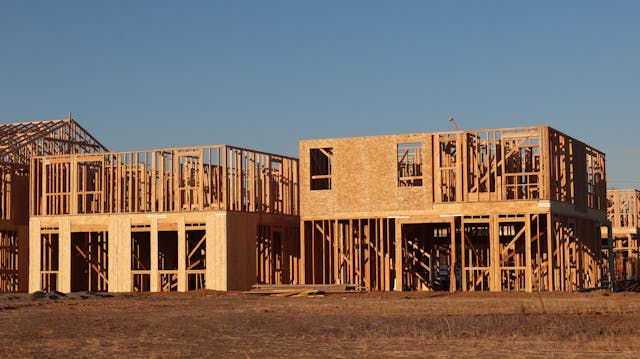
🏘️ Home Builder Development Is a Leadership-Driven Business
Residential development is uniquely exposed to execution risk. Unlike stabilized assets, development projects require synchronized decision-making across land, capital, construction, sales, and municipal stakeholders.
According to the National Association of Home Builders (NAHB), total housing starts exceeded 1.4 million units annually in recent cycles, with single-family construction representing a significant share of total residential investment. Each of these projects depends heavily on leadership execution.
Key challenges facing home builders include:
Rising construction material costs 📊
Skilled labor shortages 🔨
Lengthening entitlement timelines ⏳
Interest rate volatility 💰
Increased regulatory scrutiny ⚖️
In this environment, development leadership quality directly impacts project timelines, margins, and returns.
❌ Why Traditional Recruiting Fails for Development Leadership Roles
Many home builders still rely on:
Job postings
Generalist recruiters
Internal HR pipelines
While these methods may fill mid-level roles, they often fail at the executive and senior leadership level.
🔍 Development Leadership Talent Is Rare—and Often Passive
Senior development professionals are typically:
Employed and performing well
Deeply embedded in long-term projects
Not actively searching for new roles
According to LinkedIn Talent Insights, over 70% of executive-level candidates are passive, meaning they do not apply to posted roles.
Headhunting—not posting—is required to access this talent pool.
🔄 Poor Leadership Hires Are Costly in Development
The cost of a bad development hire extends beyond compensation.
According to CareerBuilder, bad hires cost employers an average of 30% of first-year earnings, but in development roles, the true cost is far higher due to:
Project delays
Budget overruns
Missed absorption targets
Capital partner dissatisfaction
A single misaligned development executive can materially impact IRRs across an entire portfolio. 🚨
🧠 What Makes Development Leadership Unique in Home Building
Effective development leaders combine strategic vision with operational discipline.
Recruiters must understand the complexity of roles such as:
Vice President of Land Acquisition
Director of Development
VP of Construction
Development Managers
Entitlement and Planning Executives
These roles require experience across multiple phases of the development lifecycle.
🏗️ Core Responsibilities of Home Builder Development Leaders
📍 Land Acquisition and Feasibility Analysis
Development leaders must evaluate:
Zoning and entitlement risk
Environmental constraints
Infrastructure requirements
Market demand and pricing
According to Urban Land Institute (ULI) research, entitlement delays alone can increase project costs by 10–20%, making experienced leadership essential.
🏗️ Construction Oversight and Cost Control
Construction leadership is one of the most critical components of development success.
The U.S. Bureau of Labor Statistics reports construction cost inflation exceeded 6% annually in recent years, placing pressure on:
Budget forecasting
Vendor negotiations
Schedule management
Development leaders must maintain tight cost controls while preserving quality and delivery timelines.
🏘️ Product Positioning and Market Alignment
Development executives must align product type with local demand.
According to Zillow Research, buyer preferences have shifted significantly toward:
Energy efficiency
Flexible floor plans
Suburban and secondary markets
Leadership misalignment at this stage can lead to slower absorption and pricing pressure.
⚖️ Regulatory and Entitlement Expertise Is Non-Negotiable
Residential development is increasingly regulated.
According to the NAHB, regulatory costs account for nearly 24% of the final price of a new single-family home, making entitlement and compliance leadership a critical skill set.
Executive headhunters must understand:
Municipal approval processes
Zoning variances
Environmental reviews
Community engagement strategies
Recruiters without regulatory fluency cannot properly evaluate development leadership candidates.
📈 Why Executive Headhunter Outperforms Traditional Recruiting
🎯 Targeted Identification of Proven Operators
Executive headhunting focuses on:
Identifying leaders with completed project track records
Verifying delivery timelines and budget adherence
Assessing leadership during market downturns
This approach delivers higher-quality hires than resume-based screening.
🤝 Confidential and Competitive Talent Access
Development leadership transitions are often confidential.
Headhunting allows firms to:
Protect internal stability
Engage candidates discreetly
Avoid public signals to competitors
This is particularly important for private home builders and institutional development platforms.
🧩 Leadership Traits That Matter Most in Development Roles
Recruiters with development expertise assess candidates beyond resumes.
Key leadership traits include:
Risk management judgment
Capital partner communication skills
Decision-making under pressure
Cross-functional leadership
According to McKinsey & Company, organizations with strong leadership alignment outperform peers by up to 25% in long-term value creation.
🌍 The Changing Landscape of Home Builder Leadership
🏠 Housing Supply Constraints
The U.S. faces a housing supply shortage exceeding 3 million units, according to Freddie Mac, increasing pressure on development execution.
Leadership must deliver projects efficiently while navigating political and regulatory complexity.
🔧 Labor Shortages and Talent Constraints
The construction industry faces a labor gap of over 400,000 workers, according to Associated Builders and Contractors (ABC).
Development leaders must:
Secure reliable contractors
Optimize build schedules
Mitigate labor risk
🤝 Why Long-Term Real Estate Headhunter Deliver Better Results
Home builders that engage long-term executive search partners benefit from:
Deeper market intelligence
Faster placement of critical leaders
Reduced hiring risk
According to LinkedIn Talent Solutions, companies with proactive leadership pipelines reduce time-to-hire by 40%.
🏆 How Executive Property Staffing Supports Home Builder Development Leadership Hiring
Executive Property Staffing specializes in executive search and headhunting for real estate development, construction, and property leadership roles nationwide.
Our approach includes:
Targeted executive headhunting for home builder leadership
Deep understanding of development lifecycles
Evaluation of real project delivery experience
Confidential recruitment for senior leadership roles
By focusing exclusively on real estate and development staffing, Executive Property Staffing helps home builders secure leaders who deliver projects on time, on budget, and aligned with long-term growth strategies. 🚀
💰 The Financial Impact of Elite Development Leadership
According to Harvard Business Review, leadership quality accounts for a disproportionate share of organizational performance variance.
In home building, strong development leadership:
Protects construction margins
Improves capital efficiency
Enhances absorption rates
Strengthens investor confidence
Poor leadership, by contrast, magnifies risk across every project phase.
🚀 Final Thoughts: Real Estate Headhunting Is a Strategic Advantage in Home Builder Development
Home builder success depends on leadership that understands land, construction, capital, and market dynamics.
Generic recruiting cannot deliver this caliber of talent.
Executive headhunting—focused on development leadership—provides access to proven operators who drive project success, manage risk, and create long-term value.
Partnering with a specialized firm like Executive Property Staffing ensures home builders gain access to leadership talent capable of navigating today’s complex development environment—and delivering results at scale. 🏆


Comments